Exploring Menorca’s ‘houses of the dead’
Submitted by Andy_B on Wednesday, 10 August 2022 Page Views: 817
Resources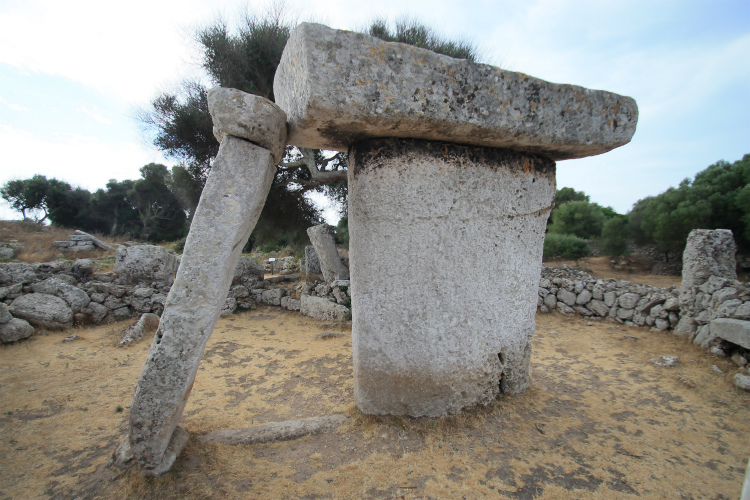
Initial burial sites were rudimentary, in the form of hypogea or dolmens, but as the culture developed, the monuments became more elaborate. The best-known burial monument on the island is the Naveta des Tudons, which was constructed using the Cyclopean technique, involving stones fitted together in a dry-stone walling construction process without requiring the use of mortar.
The Houses of the Dead
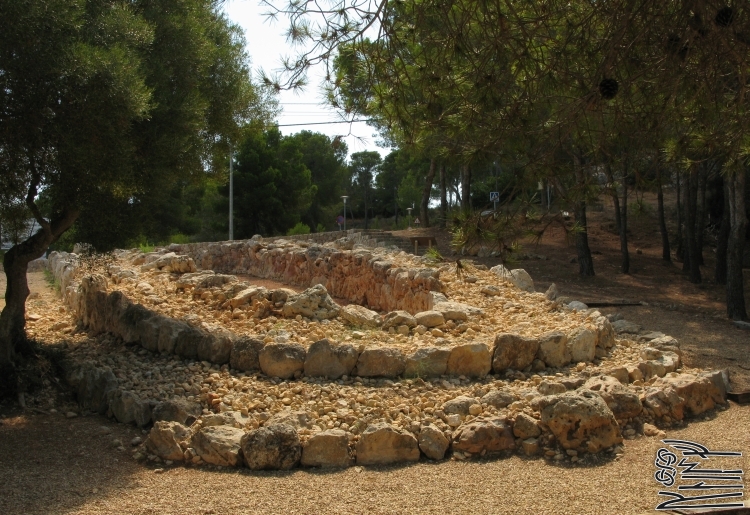
The tombs, as well as the dwellings which housed members of the Talayotic culture, were called naveta due to their resemblance to an inverted boat. The term naveta is Catalan in origin and refers to a small ship. The similarities between the naveta dwellings and the tombs gave rise to the term ‘houses of the dead.’ In these tombs, we can see the development from the chambered tombs of the Neolithic period.The naveta dwellings, which were inhabited by large families, provide insights into how the ancient civilization lived. The buildings included a fire for the preparation of food and as insulation from the elements with the inhabitants sitting on stone seats attached to the walls.
These examples of the ancient architecture of Menorca, one of Spain’s main Balearic Islands situated in the Mediterranean Sea, have been proposed for inclusion in the tentative List of World Heritage of the Spanish State. If the property is successful in its application, it would be a boon for the island with increased tourism as well as creating international awareness of its architectural treasures and lead to increased conservation.
The Talayotic culture existed for almost 2,000 years, ending with the colonisation of the island of Menorca by the Romans which began in 123 B.C. The culture included places of worship in horseshoe shapes, featuring shrines known as taula, the Catalan term for a table, that served ritual and religious functions.
Archaeological discoveries
There have also been archaeological finds including a 6.5-inch bronze bull found in the town of Torralba d'en Salord, which experts believe was created between the fifth and second centuries B.C and a bronze statuette of Imhotep, an Egyptian god, which is said to be from around the fourth century B.C. and was discovered in the settlement Torre d’en Galmés. Just last year, an archaeological dig in Menorca led to the discovery of Roman artefacts including arrowheads, spearheads, and surgical tools from around 100 B.C.Archaeological discoveries and the examination of ancient civilisations have been a source of fascination for millennia, so it is no surprise to see this topic being depicted in modern entertainment. For example, the popular Tomb Raider film and video game franchise gave us an opportunity to accompany Lara Croft on missions of discovery to search for treasures in ancient tombs. This fascination with ancient civilisations is also reflected in the boom in slot games on offer at the best slot sites in the iGaming industry, which include the
Lara Croft: Temples and Tombs slot game as well as the popular Rich Wilde and the Book of Dead. Ancient cultures, with their rituals, customs and legends, provide a rich source of storylines in the entertainment industry and allow us to indulge our interest in ancient history.
The ‘houses of the dead’ in Menorca are a fascinating example of the architecture of the Talayotic culture and if the property is included in the List of World Heritage, the ancient dwellings and burial tombs, along with the way of life of the ancient civilisation, will become known to an even wider audience around the world.