A Brief List of Prehistoric Sites Around London
Submitted by Andy_B on Friday, 04 February 2022 Page Views: 2499
Resources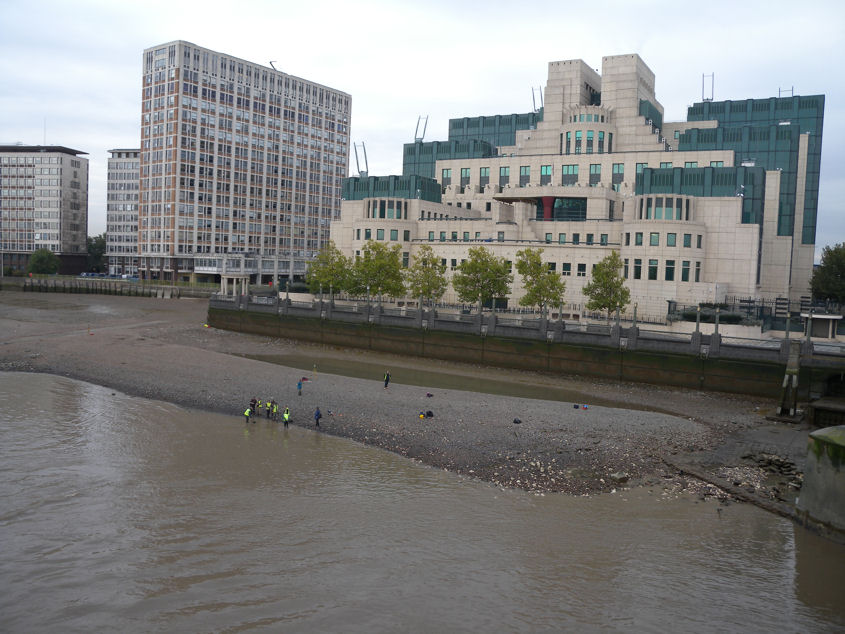
TechQuarters, a small business providing IT support services in London, contacted us about what kind of ancient sites could be found in their city. “We’ve always enjoyed discovering the history of our city” says TechQuarters. As the nation’s capital there is a rich history dating back to the 1st century; but we have records of times well before even that.
The Vauxhall Timbers – Mesolithic
Long before history was recorded by texts, only physical evidence of the past existed for modern day historians and archeologists to examine, on of the most fascinating examples of this was found in another part of London that TechQuarters is very familiar with. The IT managed services company was based in Vauxhall for many years, and they had no idea that a link to the Mesolithic era was found just a few hundred yards from their old office. The Mesolithic was the time just after the Ice Age and during the Stone Age - people were still living in hunter-gatherer societies at this time. Almost no monuments exist from this time, but the remains of a wooden structure was discovered in the south shores of the Thames, close to Vauxhall Bridge, dating back to the 5th millennium BCE (that’s around 6 thousand years old).Given that Mesolithic societies living near the Thames would have undoubtedly lived partially on fish, water fowl, and any other river-dwelling animals, our best guesses are that the Vauxhall Timbers are the remains of some form of jetty for boats. But given the age of the site, we really have no solid idea.
Caesar’s Camp, Wimbledon – Iron Age
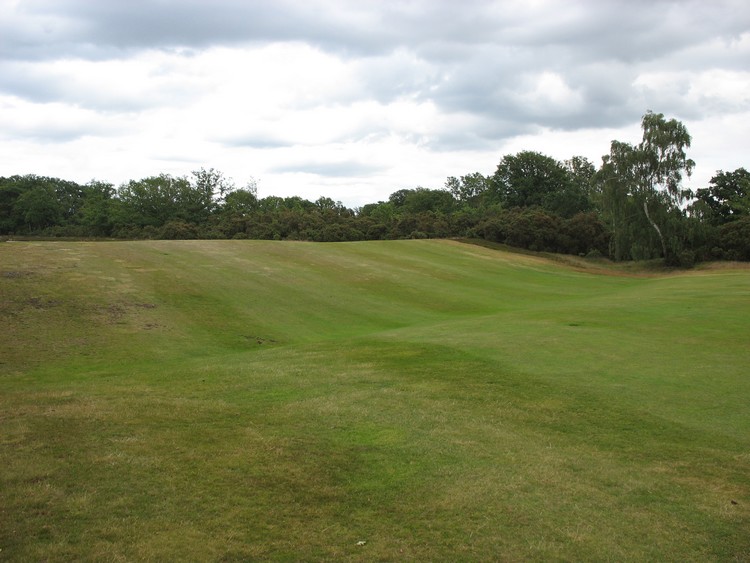
TechQuarters start life in the back bedroom of the CEO’s Wimbledon house, in 2010; there is a very interesting site located near Wimbledon Common, which dates back to the Iron Age. This was the final era of what we call prehistory, when mankind began replacing their bronze tools and weapons with iron and steel products, which were much stronger and more durable. At this time, there was a significant increase in militarization of British societies. We know this because of the number of surviving hill forts which we can date back to this period. A hill fort was a strategic site used by societies to defend against enemies, and they were dug out of hills that communities found – the hill would provide natural protection, as would-be invaders would need to run uphill, tiring themselves out, in order to get to the top. Defenders dug trenches around the top of the hill – and even built stone walls around these trenches – which would provide more protection from projectile weapons.Caesar’s Camp, also known as Bensbury, Warren Bulwarks, and The Rounds by locals, was a hill fort build in the third century BCE. It was likely named Caesar’s Camp owing to the discovery that an urn filled with Roman coins was buried at the site. The site is now located in the middle of a golf course, meaning only members of the golf club have full access to the hillfort - though this is not such a tragedy for TechQuarters’ CEO, who is an avid golfer. However, there is also a public footpath that passes over the hillfort, offering views of the site to walkers.