


Nordic Iron Age to Viking Age: Stone Structures Remained Important to Culture
Submitted by Andy_B on Monday, 30 March 2026 Page Views: 96
Resources
In Sweden, the Nordic Iron Age kicked off around 500 BC, at which point, creating huge stone structures was still very much the practice. Once the Viking Age commenced, from around 800 AD, its notable that this globe-trotting, all-conquering phase for Scandinavia continued the stone building and stone carving tradition for centuries.
Megaliths of Sweden’s Nordic Iron Age
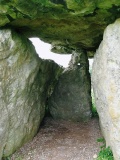
Megalithic culture is assumed to have come to Sweden fairly late, particularly by comparison to the beginnings of such hefty stone structures in Denmark. Even so, Sweden remains the home of several free-standing dolmens and one of the most iconic of megalithic monuments in Northern Europe.Ale’s Stones may not be the largest in terms of single-stone mass, but it’s certainly among the most impressive. The early Iron Age monument spreads over a 67m long outline, featuring 59 standing stones. Overlooking the Baltic Sea from just above Kåseberga, some believe it to be an astronomical clock, others think it’s a burial site.
The stone ship with placements weighing up to 5 tons each is estimated to have been made towards the end of the Nordic Iron Age. Around this time, many of the 260 surviving monuments dotted around Falbygden were erected, forging what is today one of the most heavily concentrated areas in Northern Europe for megalithic tombs.
Continuing into the Viking Age
 The Viking Age would come to define Northern Europe for centuries. At home, it was a time of crisis, even though the people had transitioned from the Nordic Iron Age into a time of creating ploughing tools with iron and expanding agricultural practices. Even so, the age continues to be defined by the raiders and colonisers who went far and wide.
So, naturally, it’s the Norsemen who went Viking whom we continue to think of for this age. It’s why they are the focus even in our more modern stories. Norse mythology is adapted in many ways. Vikings and The Last Kingdom focus on many conquests, and even when you play casino games, you’ll see many of these warrior games.
Viking Hoard and Vikings Unleashed Megaways both put the focus on these bearded, axe-wielding warriors who set sail, make land, and raid for days. That’s the most powerful prevailing image of the Viking Age in Sweden. However, a sometimes overlooked element is the masonry and creation of stone structures.
Just earlier this year, runic inscriptions on a 2023-discovered stone dating to the Viking Age were reportedly deciphered as being in memory of someone’s father. Similar stones continue to flank modern roads and paths, well-preserved by the Swedes. Unfortunately, one of the grandest designs of the age was destroyed.
The Hunnestad Monument once stood in Ystad, but nobleman Eric Ruuth saw it fit to take down the monument when modernising his estate. Luckily, it was depicted by Ole Worm, and several rune stones that once comprised this huge Viking Age landmark have been recovered.
Nordic Iron Age megaliths remain hugely significant to the culture. Even though the Viking Age is more often seen as a time of departing the lands and invading others, many upheld this tradition of constructing grand structures and etching runes, symbols, and images into huge stones.
Always gamble responsibly. Photo credit Steinar Engeland on Unsplash.
