

How Betting Began at Ancient Sites and Neolithic Stone Settlements
Submitted by Andy_B on Wednesday, 17 June 2026 Page Views: 133
Resources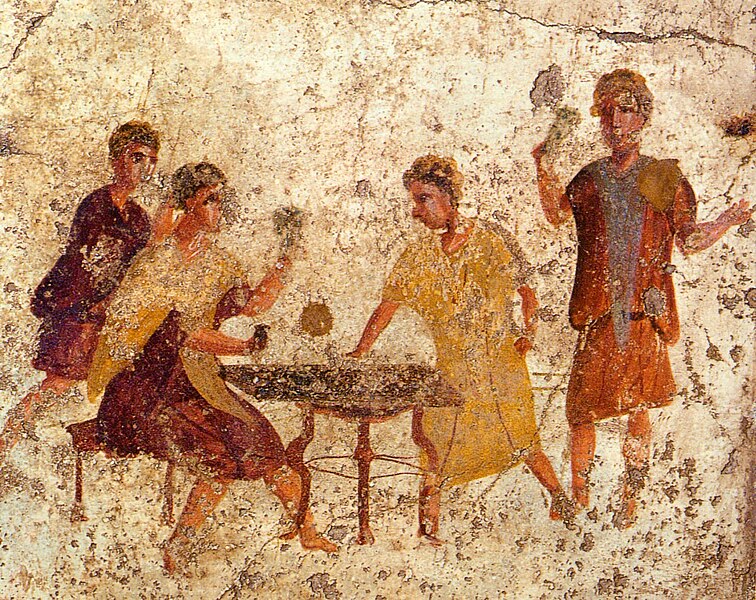
How Betting Began at Ancient Megalithic Sites
There's a common assumption that gambling is a byproduct of civilisation, something that came after money, after trade routes, after cities got big enough to need entertainment districts. The archaeological record disagrees, and pretty forcefully at that. Bone dice have turned up in Neolithic farming villages where platforms such as https://1xbet.ie/en would have been science fiction, settlements where people made tools from stone and jewellery from whale teeth and apparently still found time to wager on rolls of carved bone. The oldest of these dice go back over five thousand years.
Five-Thousand-Year-Old Dice From Orkney
Skara Brae, on Orkney, spent centuries buried beneath sand dunes. A storm tore the covering away in 1850, and underneath sat eight stone houses with passageways running between them and furniture (stone dressers, box beds) still standing where their owners left them. Mixed in with the pottery and carved stone balls and bone tools were dice. Proper dice, marked with dots, grooves, notches along each face. Dated to somewhere between 3100 and 2400 BCE.Think about that for a second. This was a settlement with no fortifications. No weapons worth mentioning. People raised cattle, collected shellfish off the coast, and apparently gambled. Nobody bothered recording the rules (writing hadn't been invented yet, which is sort of the point), but the dice were clearly purpose-built for some kind of chance-based game.
Meanwhile, Mesopotamian sites from roughly the same period were producing six-sided dice out of clay and bone, often stashed in royal tombs alongside other valuables. And the Burnt City yielded a full backgammon-style set dated to around 2800 BCE. Gambling, by that era, already had enough demand to support dedicated craftspeople making game equipment.
| Period | Site | Artefact | Material |
|---|---|---|---|
| 3100 to 2400 BCE | Skara Brae, Orkney | Marked bone dice | Animal bone |
| ~3000 BCE | Mesopotamian settlements | Six-sided dice | Clay, bone, stone |
| ~2800 BCE | Burnt City | Backgammon-style set | Turquoise, agate |
Betting and the Gods
Here's where gambling gets tangled up with religion, which is not the combination most bettors expect. Mesopotamian temple visitors threw dice because they believed the outcome reflected what their gods were thinking, randomness as divine communication, basically. A bet placed under those conditions carried real spiritual weight on top of the financial consequences.Celtic communities did something comparable near stone circles and burial mounds. UNESCO added Skara Brae and the surrounding Neolithic monuments to its register in 1999 precisely because of what these settlements reveal about early human culture. Carved stones doubled as crude dice during feasts, and rolling well at a ritual gathering got read as a sign that the gods had your back. Gambling pieces ended up buried in graves alongside swords and gold jewellery, marking the dead as people who'd been lucky and clever in roughly equal measure.
By the late Iron Age, enough people wanted gaming equipment that workshops across Celtic territories were mass-producing dice and pieces from bone, antler, and coloured glass.
Loaded Dice and Pompeii Graffiti
Cheating is almost as old as the dice themselves, which probably surprises nobody. Pompeii excavations turned up dice with mercury sealed inside hollow centres, weighted to favour specific numbers, which is a level of engineering dedication that's almost admirable. Taverns in the same city advertised "good food and gambling within" on their walls, and gaming tables had "make room for better players" carved into them, so clearly nobody was being subtle about any of this.One scrap of graffiti sums it up nicely. Someone scratched a boast into a wall claiming they could win without cheating, the kind of flex you'd only bother making if cheating was the norm rather than the exception. Roman law, for its part, officially banned dice gambling outside the December Saturnalia festival. The ban fooled nobody. Emperors themselves gambled openly, and one dropped thirty thousand sesterces (roughly thirty years of a soldier's salary) in a single evening.
From Carved Bones to Digital Platforms
A study from 2026 pushed things back further still, identifying small carved wagering objects at sites dated to about 12,800 years ago. Betting appears to be older than agriculture.The formats have obviously changed beyond recognition. But the underlying transaction, where you stake something, accept that the outcome is uncertain, and find out, goes back to a time when Neolithic farmers on Orkney carved notches into animal bones without having the written vocabulary to name what they were doing.