



From Ancient Dice to Verifiable Play
Submitted by Andy_B on Thursday, 26 March 2026 Page Views: 123
Resources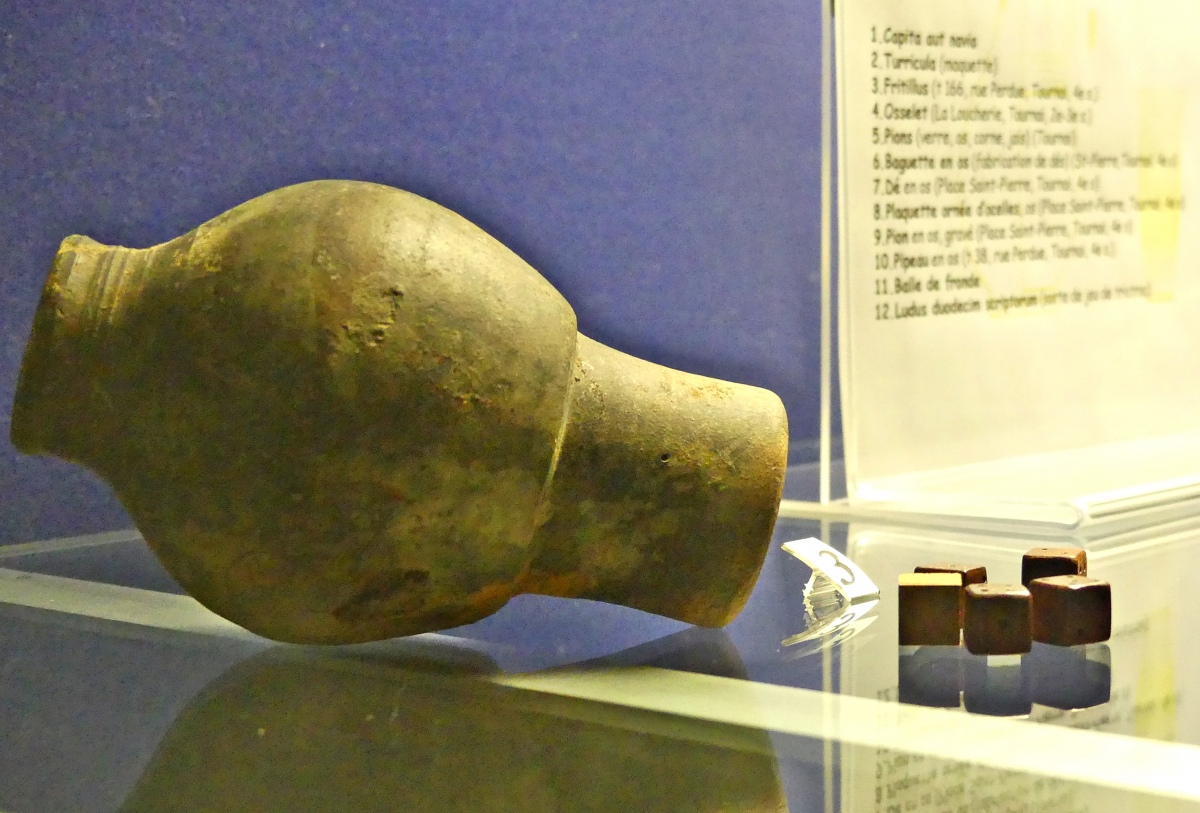
In that context, duckdice crypto gambling is interesting less as a sales subject and more as an example of how one of humanity’s oldest pastimes keeps changing form while holding onto the same attraction of uncertainty, pattern, and calculated risk.
Why Old Dice Still Matter
The connection starts with the object itself. Megalithic’s own coverage notes that simple dice made from animal bones were found in Iron Age Britain and that similar gaming items appeared again in Roman settlements, showing that chance-based play was already part of daily and social life long before casinos became formal institutions. Those early pieces mattered because they turned fate into something that could be handled, thrown, watched, and argued over in public. Modern crypto gambling still follows that same pattern, but the tool has changed. Physical dice once gave players something visible to trust or distrust. Today the equivalent is not a carved cube in the hand. It is a system that can show how the result was formed, whether the outcome can be checked, and whether the process feels open rather than hidden.Where Verification Changed Expectations
That shift is what makes DuckDice relevant for a Megalithic audience. The platform centers provably fair play and states on its main site that its games are built on blockchain technology so results can be trusted, while the FAQ explains a 1 percent house edge on its main mode and a 99 percent RTP for players over time. That matters because digital gambling is judged differently when people already live with wallets, on-chain transfers, and systems that can be checked instead of accepted on faith. In older online products, trust often came from branding and little else. In a crypto setting, people expect more direct evidence. A dice platform that treats verification as part of the product feels closer to the old logic of visible play, where the object in front of the player had to make sense before the game could feel worth staying with.Why Speed Feels Different in a Crypto Setting
Another change comes from movement rather than pure mechanics. DuckDice describes itself as a crypto casino where users can "play fair dice games, bet on sports, deposit and withdraw crypto, and use our in-app exchange to convert card-funded account balances to crypto within the platform." The sportsbook pages also highlight "instant deposits and withdrawals," "complete privacy," and "support of major cryptocurrencies such as Bitcoin, Ethereum, Litecoin, Dogecoin, and Tether." These details are important because digital products today are often used and evaluated within short periods of time. A person opens the site, checks whether the path is readable, and decides very fast whether it feels current or clumsy. For a Megalithic reader, that is a more interesting point than simple promotion because it shows how the old draw of games of chance now sits inside faster payment rails and a more direct pattern of use.What Gives A Platform More Staying Power
The product also has a wider range than a narrow dice site, and that changes how it is perceived. The DuckDice homepage describes a wider casino setup with provably fair games, sports betting, crypto deposits and withdrawals, a forum, and features such as staking and contests, while the sportsbook pages point to daily markets across football, basketball, tennis, esports, and other events. Variety matters here because older stories of gambling often moved from one format to another as social habits changed. Dice became part of tavern life, cards entered public and private spaces, and gaming houses grew into formal venues. A modern platform that combines originals, sportsbook use, and broader casino content follows the same basic pattern of expansion. It becomes less about one isolated game and more about creating several ways for people to return depending on time, mood, and preferred type of risk.Why This Topic Fits Megalithic So Well
What makes the subject work on Megalithic is the long view. Ancient gambling was never only about money. It was also about belief, tension, calculation, social contact, and the appeal of outcomes that could not be fully controlled. The site’s own pieces on early dice, Roman gaming culture, and modern gaming coverage show that this thread never disappeared. It simply kept adapting to the tools each era had available. DuckDice fits that thread because it takes one of the oldest forms of chance-based play and rebuilds it around blockchain records, crypto payments, sportsbook access, and public claims about fairness that users can inspect for themselves. That is where the real interest lies for this donor. The product is worth noticing because it shows how ancient play habits continue to move forward through new systems without losing the basic pull that made people throw dice in the first place.Always gamble responsibly.
