

Ancient Plants, Human History, and the Evolution of Botanical Culture
Submitted by Andy_B on Monday, 29 June 2026 Page Views: 117
Resources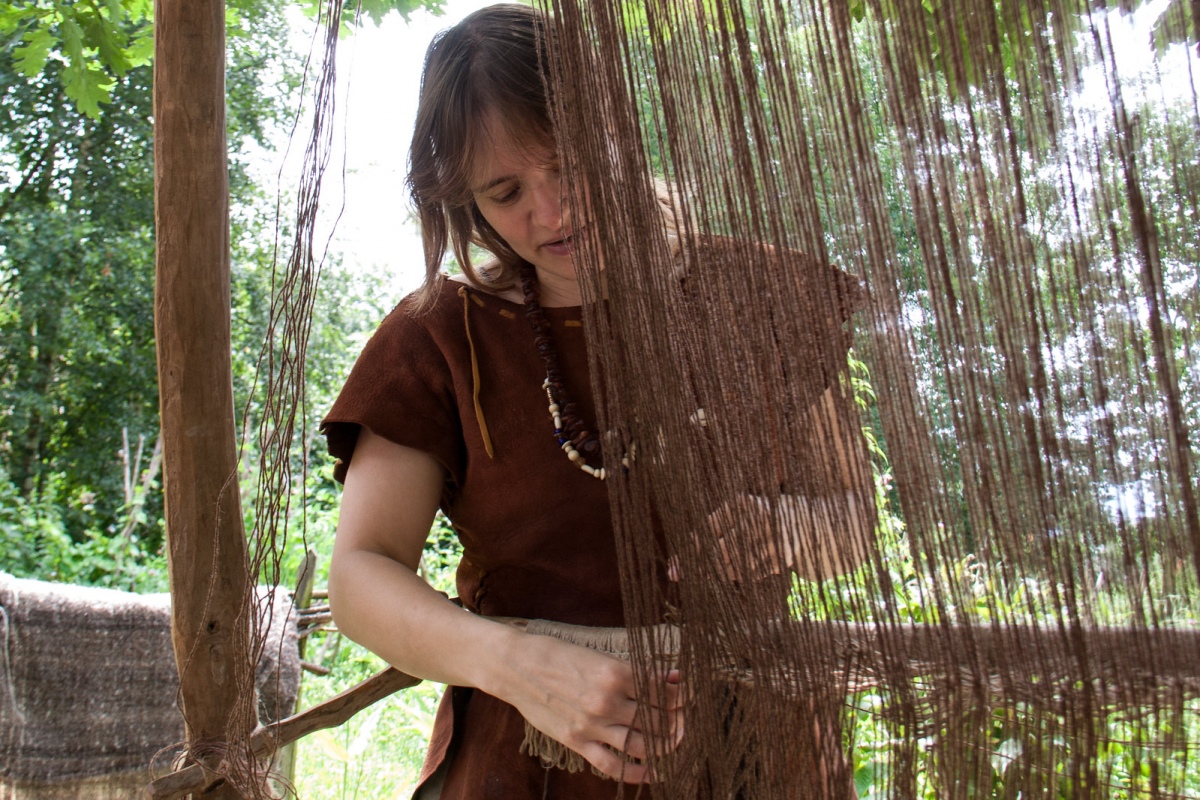
Archaeologists often focus on monumental stone circles, burial chambers, and ancient temples, but the story of civilization is equally told through microscopic pollen grains, preserved seeds, woven fibres, and traces of cultivated landscapes. These botanical discoveries provide remarkable insight into how our ancestors lived, travelled, traded, and adapted to changing environments.
Understanding humanity's relationship with plants helps us appreciate not only ancient societies but also the ways modern cultures continue to evolve.
Plants Were Among Humanity's First Technologies
Before metals, ceramics, and complex tools became widespread, plants served as one of humanity's most versatile resources.Early communities used vegetation to create:
• Rope and cordage
• Clothing fibres
• Basketry
• Building materials
• Mats and textiles
• Natural medicines
• Animal fodder
• Fuel
• Food storage containers
The ability to identify useful plant species often determined whether a settlement could thrive.
Archaeological excavations throughout Europe continue to reveal evidence of sophisticated plant knowledge dating back thousands of years.
Reading Ancient Landscapes
Modern archaeology extends far beyond excavating monuments.Scientists now study ancient environments using techniques such as:
• Pollen analysis
• Seed identification
• Charcoal examination
• Soil chemistry
• Phytolith analysis
• Tree-ring dating
• Ancient DNA
These methods help reconstruct landscapes that disappeared centuries—or even millennia—ago.
Researchers can determine which forests surrounded prehistoric communities, what crops were cultivated, and how human activity transformed local ecosystems over time.
Trade Networks Shaped Ancient Civilizations
Many people imagine prehistoric communities as isolated villages, but archaeological evidence tells a different story.Trade routes connected distant regions long before the construction of modern roads.
Communities exchanged:
• Stone tools
• Salt
• Metals
• Decorative shells
• Amber
• Pottery
• Pigments
• Textiles
• Plant materials
The movement of useful plants and agricultural knowledge played an important role in expanding civilizations throughout Europe and beyond.
Ancient Agriculture Changed the World
The shift from hunting and gathering to farming remains one of the most significant developments in human history.Cultivating crops allowed populations to grow, settlements to expand, and specialized crafts to emerge.
Archaeological excavations reveal evidence of early cultivation through preserved seeds, storage pits, farming tools, and ancient field systems.
These discoveries demonstrate how communities carefully managed landscapes to ensure reliable food supplies while supporting increasingly complex societies.
Fibre Plants in Ancient Communities
One fascinating area of archaeological research focuses on fibre-producing plants.Natural fibres were essential for producing clothing, fishing nets, sails, rope, baskets, and numerous everyday objects.
Although organic materials rarely survive in the archaeological record, exceptional preservation conditions have revealed remarkably sophisticated weaving techniques in many prehistoric and historic sites.
These discoveries remind us that ancient craftsmanship often rivalled modern expectations in both skill and creativity.
Archaeology and Scientific Innovation
Today's archaeological research relies heavily on advanced technology.Researchers use:
• Satellite imagery
• LiDAR scanning
• Ground-penetrating radar
• Geographic Information Systems (GIS)
• Drone photography
• 3D modelling
• Digital reconstruction
• Isotope analysis
These tools allow archaeologists to discover buried settlements without disturbing the landscape while creating detailed reconstructions of ancient environments.
Technology continues to reshape our understanding of the past.
Preserving Cultural Landscapes
Ancient monuments rarely exist in isolation.Stone circles, hill forts, burial mounds, and ceremonial sites were once part of living landscapes filled with forests, rivers, cultivated fields, and settlements.
Conservation efforts increasingly recognize the importance of protecting these surrounding environments as part of our shared heritage.
Maintaining biodiversity around archaeological sites also helps preserve valuable ecological information for future research.
Learning From Traditional Plant Knowledge
Many traditional societies continue to possess extensive knowledge of local plants passed down through generations.Ethnobotanical research compares this living knowledge with archaeological discoveries, helping scientists better understand how ancient communities may have used different species.
While interpretations must remain evidence-based, these comparisons often generate valuable research questions for future excavations.
Botanical Culture in the Modern World
Human curiosity about plants has never disappeared.Today, botanical interests range from sustainable gardening and ecological restoration to culinary herbs, ornamental collections, and legal hemp-derived products in jurisdictions where regulations permit them.
As consumer interest grows, many people also research reputable retailers and established brands before making purchasing decisions. Those interested in modern products can explore collections featuring stiiizy, along with educational information, compatibility details, and product specifications, while always ensuring they comply with the laws and regulations that apply in their location.
Why Archaeology Still Matters
Studying ancient plant use isn't simply about understanding the past.It offers valuable lessons about:
• Sustainable land management
• Biodiversity
• Climate adaptation
• Resource conservation
• Human innovation
• Cultural resilience
The archaeological record demonstrates how societies responded to environmental challenges over thousands of years—knowledge that remains highly relevant today.
Final Thoughts
Ancient monuments capture our imagination, but they represent only one part of humanity's remarkable story. The landscapes surrounding these sites, the plants people cultivated, and the natural resources they depended upon reveal an equally fascinating picture of everyday life across thousands of years.By combining archaeology, environmental science, and botanical research, we continue to uncover how closely human civilization has always been connected to the natural world. These discoveries enrich our understanding of the past while encouraging thoughtful stewardship of both cultural heritage and the landscapes that preserve it for future generations.
